
How to Build Emergency Savings in 6 Months or Less
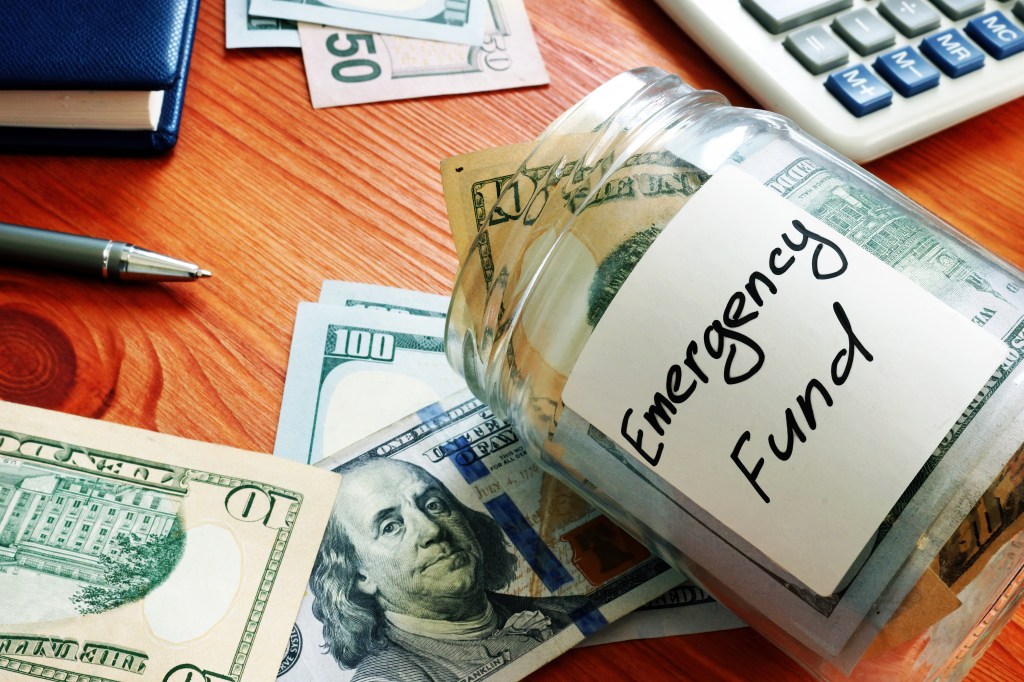
How to Build Emergency Savings in 6 Months or Less
Quick Answer:
Building an emergency fund is easier when you keep it simple. Start by opening a separate savings account and setting a clear financial goal. Automate small, weekly transfers and use quick budget tweaks to free up cash. This ensures your fund grows consistently, even when life gets busy.
How to Build an Emergency Savings Fund Quickly
Life is unpredictable. You never know when you might face expensive car repairs, medical bills, or a sudden job loss. An emergency fund acts as your financial safety net during these times. It gives you the peace of mind to handle urgent costs without wrecking your monthly budget. Although many people confuse emergency funds with rainy day funds, these savings accounts serve very different purposes.
What are the Differences Between a Rainy-Day Fund and Emergency Savings Fund
A rainy day fund covers smaller, occasional expenses, like a small home repair, while an emergency fund is for significant, unforeseen crises. If you’re ready to build an emergency fund in just six months, let’s dive into a step-by-step guide that makes it manageable and achievable.
Steps to Building an Emergency Savings Fund
Building an emergency savings fund is key to improving your financial situation because you are better able to handle financial challenges with ease. Building this fund is possible and takes time, so don’t get discouraged.
Six-month Build Plan:
- Month 1: Set a target and open a separate savings account. Start an automatic transfer each payday.
- Months 2–3: Trim one expense category and move the savings (even $10–$25 per week) to your fund.
- Months 4–6: Add any tax refund or extra income and increase transfers if you can. Keep the fund for emergencies only.
Set a Clear Savings Goal
The first step to building an emergency fund is determining your target amount. Most financial experts recommend saving three to six months’ worth of essential expenses. This includes rent or mortgage payments, utilities, groceries, and transportation costs.
To figure out how much you should put in emergency savings a month, divide your total goal by six. For example, if your target is $6,000, you’ll need to save $1,000 each month. Adjust the goal based on your income, fixed expenses, and timeline.
Analyze and Adjust Your Budget
To free up money for savings, start by reviewing your monthly budget. Identify discretionary spending like dining out, subscription services, or impulse buys that you can reduce or eliminate. Redirect this extra cash toward your emergency fund.
Budgeting tools and smartphone apps can also help you track spending and visualize your progress. Even small adjustments, such as skipping a daily coffee run, can add up significantly over time
Open a Dedicated Savings Account
Keeping your emergency fund separate from your regular checking account helps prevent accidental spending. Look for a savings account with no monthly fees, a competitive interest rate, and easy online access.
Many banks offer “high yield” savings accounts that can earn you a little extra while you save. Automating deposits into this account ensures consistency without requiring constant effort.
Boost Your Income with Side Gigs
If your current budget doesn’t allow for much wiggle room, consider boosting your income. Take on a side gig, like freelancing, tutoring, or ridesharing.
Selling unused items, such as clothes, electronics, or furniture, can also generate quick cash. These additional income streams can accelerate your savings and help you reach your goal faster.
Adopt Money-Saving Habits
Saving money doesn’t have to mean sacrificing quality of life. Adopting small, intentional habits can significantly reduce expenses. Prepping meals instead of dining out saves both time and money.
Energy-saving practices, like unplugging devices and using energy-efficient bulbs, lower utility bills. Additionally, using coupons, cashback apps, and rewards programs can help you save on everyday purchases.
Automate Your Savings
Automation is a game-changer for consistent saving. Set up an automatic transfer from your checking account to your emergency fund each payday. Even if it’s just $50 or $100 per paycheck, these regular contributions add up over time.
Automation removes the temptation to spend money and makes saving a priority without requiring constant attention.
Track Progress and Celebrate Milestones
Tracking your savings progress is essential to staying motivated. Break your main goal into smaller milestones and celebrate each achievement. For example, if your target is $6,000, celebrate when you hit $1,000 or $3,000. Your rewards do not have to be extravagant. A simple movie night or a favorite treat is often enough to keep you inspired to save.
Keep Your Emergency Fund for Emergencies Only
Once you’ve built your emergency fund, it’s crucial to protect it. Use it only for genuine emergencies, like unexpected medical expenses or urgent home repairs.
Avoid the temptation to dip into it for vacations, shopping sprees, or other non-essential costs. Maintaining discipline ensures your safety net is there when you truly need it.
Transition from Rainy Day Fund to Emergency Fund
While building an emergency fund, consider maintaining a smaller rainy-day fund for minor, irregular expenses.
This fund can cover costs like car maintenance or a leaky faucet, allowing you to preserve your emergency fund for major events. Over time, aim to have both funds in place to provide comprehensive financial security.
The Benefits of an Emergency Fund
Having an emergency fund is more than just a financial cushion. It is a source of freedom and peace of mind. This money allows you to face unexpected challenges without resorting to high-interest loans or credit cards. An emergency fund reduces stress, empowers you to make confident decisions, and safeguards your financial future.
Start Building an Emergency Savings Fund Today
Building an emergency fund in six months or less is not only possible but also immensely rewarding. By setting clear goals, adjusting your budget, and staying disciplined, you can create a financial safety net that brings stability and peace of mind.
Start today, and in just half a year, you’ll be prepared to handle whatever life throws your way. For more financial tips, visit the LendNation blog.
Resources:
- Building a Raining Day Fund